Industries/Jewellery

Industry
Jewellery
Polishing gold and silver happens in stages. Felt is the last one.
Before a ring reaches the polishing wheel, metal has been filed and sanded off it. Every one of those steps leaves its own scratches, and the next step removes them. The final step leaves scratches so fine that the eye reads them as a mirror.
Felt is used at the end because it does not cut. It holds the polishing paste and bends around the shape of the piece. That is why a ring comes off the wheel with its edges still sharp, instead of worn round.
What we supply here
All four products,and what they do
Everything we supply, and what each one is used for in jewellery. Where something has no use in this trade, we say so.
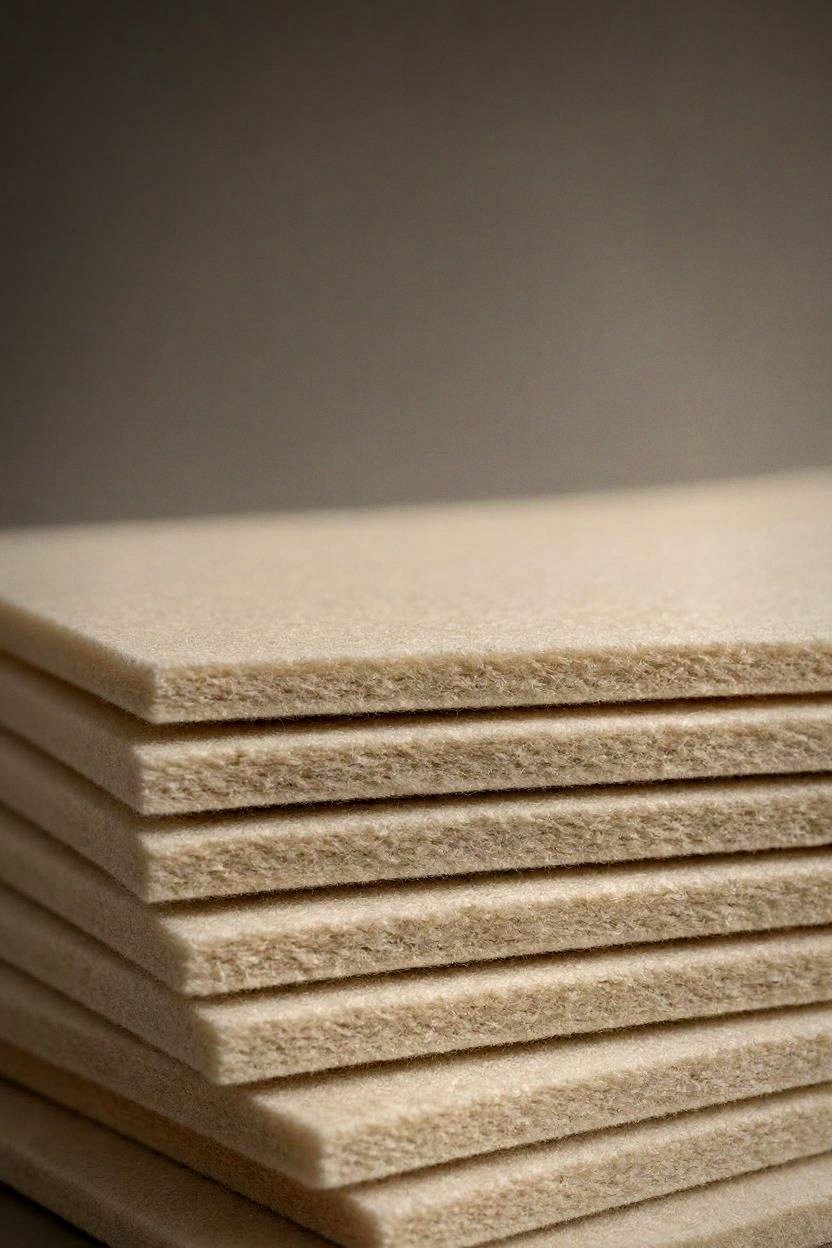
01
Wool felt
The polishing tools themselves — small wheels, cones and heads that fit onto a spindle. You load them with polishing compound and bring gold or silver up to a mirror. How hard the felt is matters more than anything else: too soft and it loses its shape against the ring.
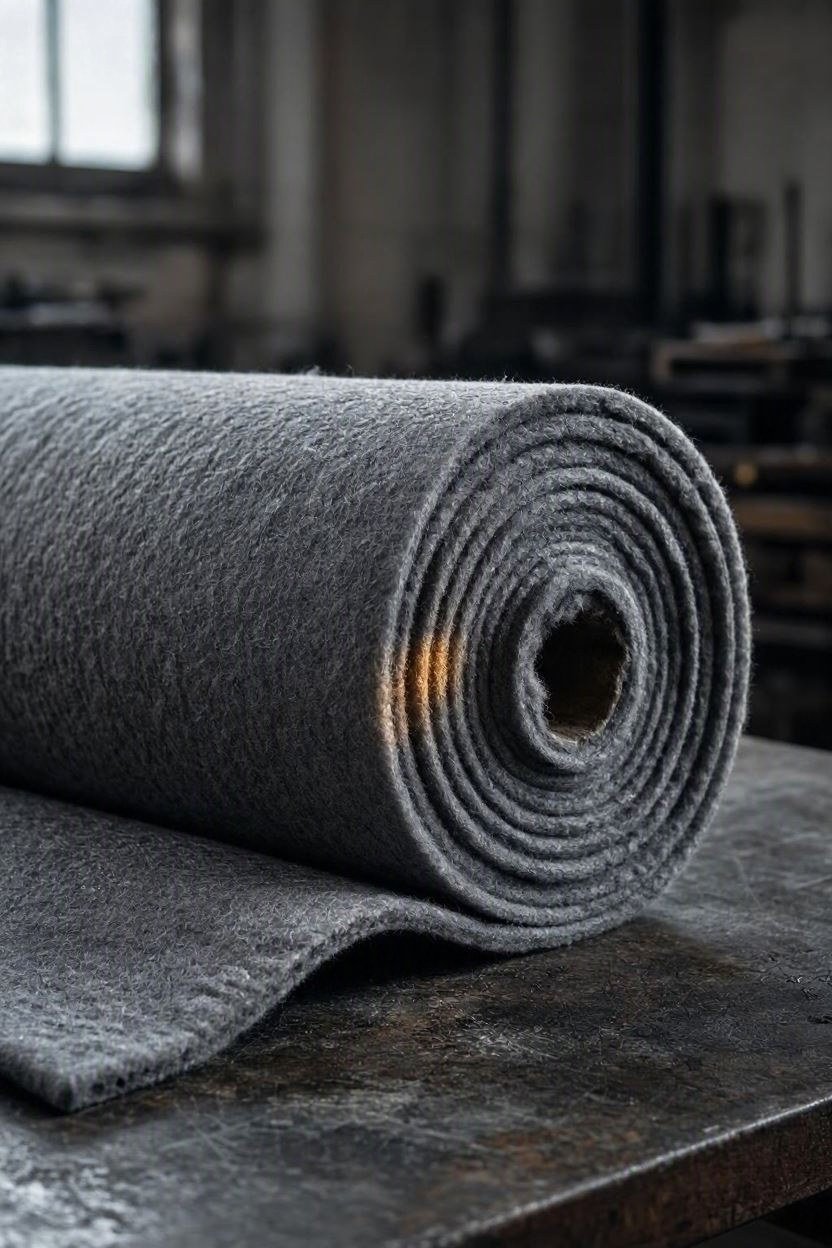
02
Non-woven felt
The cheaper felt, for everything that is not the polishing itself. Lining benches, trays and drawers, and padding between finished pieces so they do not scratch each other on the way out.
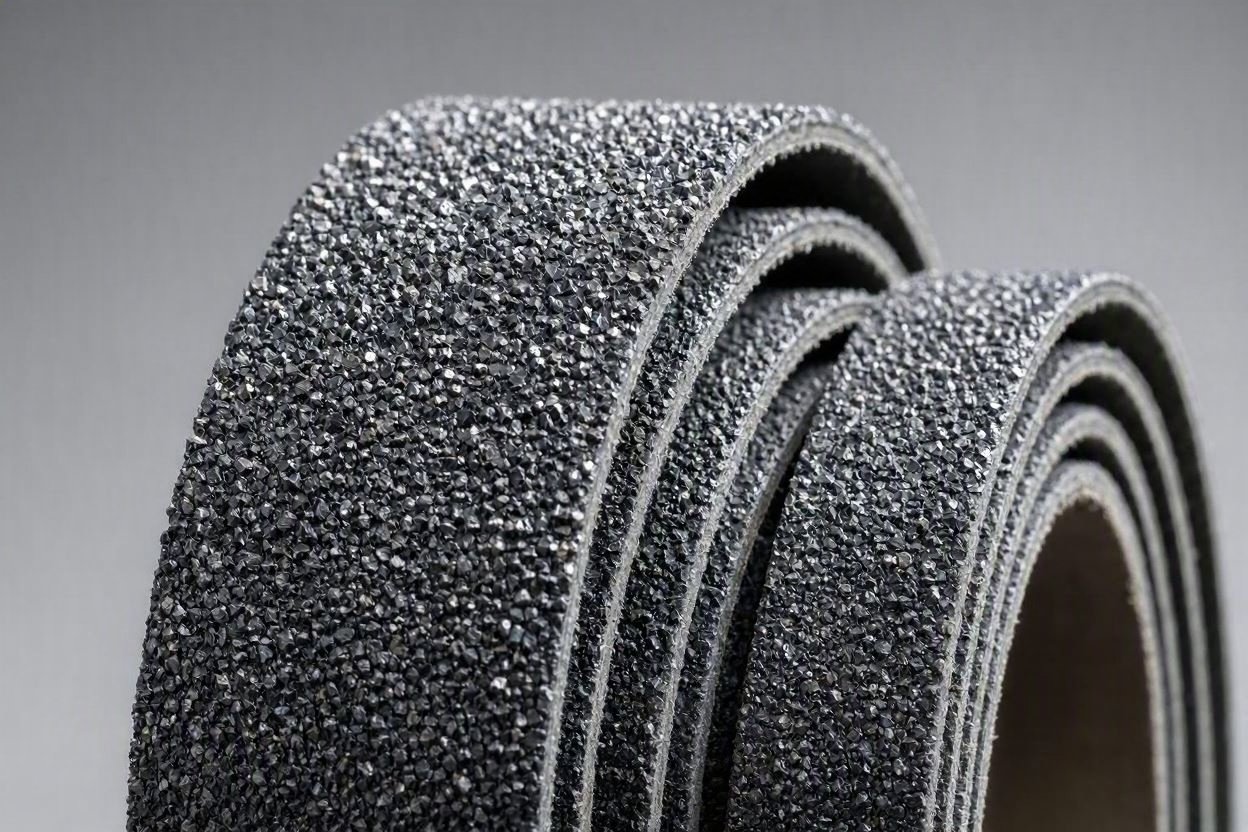
03
Rubber emery
The step before polishing. Abrasive grit in rubber, used to take off file marks and the rough bits left behind by casting. It does the removing, so the felt wheel has a clean surface to shine. Most benches use both, minutes apart.
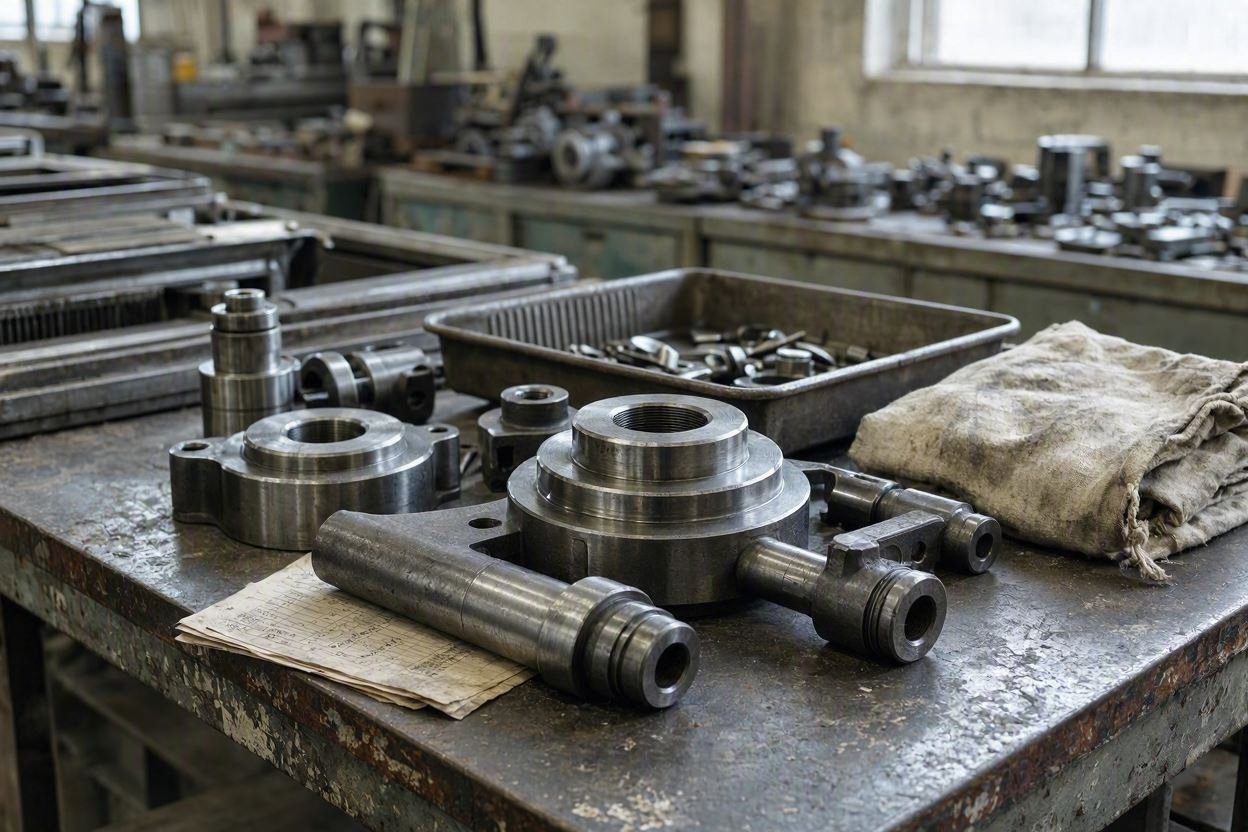
04
Sulzer loom spare parts
Not used in this trade
Parts for weaving machines. Nothing on a jeweller’s bench uses them. They appear here because it is the same firm — so if you run looms as well, it is one supplier and one call.


Getting a quote
What to send us
Tell us the size of wheel or head you need, the spindle it has to fit, and how hard you want it. Better still, send us a piece you polish — that tells us more than a description can.
Ask about jewellery