Industries/Textile mills

Industry
Textile mills
The trade the firm started in, and the only one that buys all four of our products.
A weaving shed is hot, dusty and rarely stops. Cotton fluff gets into everything. Shafts turn slowly, so a rubber seal would drag against them and heat up. And the constant shaking works bolts loose over a shift.
Felt deals with all three. That is why a single machine carries dozens of small felt parts, and why almost none of them are called anything more interesting than a washer. What matters most here is time: a stopped machine loses money every hour it stands still, so mills judge a supplier on whether the part is there when it is needed.
What we supply here
All four products,and what they do
Everything we supply, and what each one is used for in textile mills. Where something has no use in this trade, we say so.
01
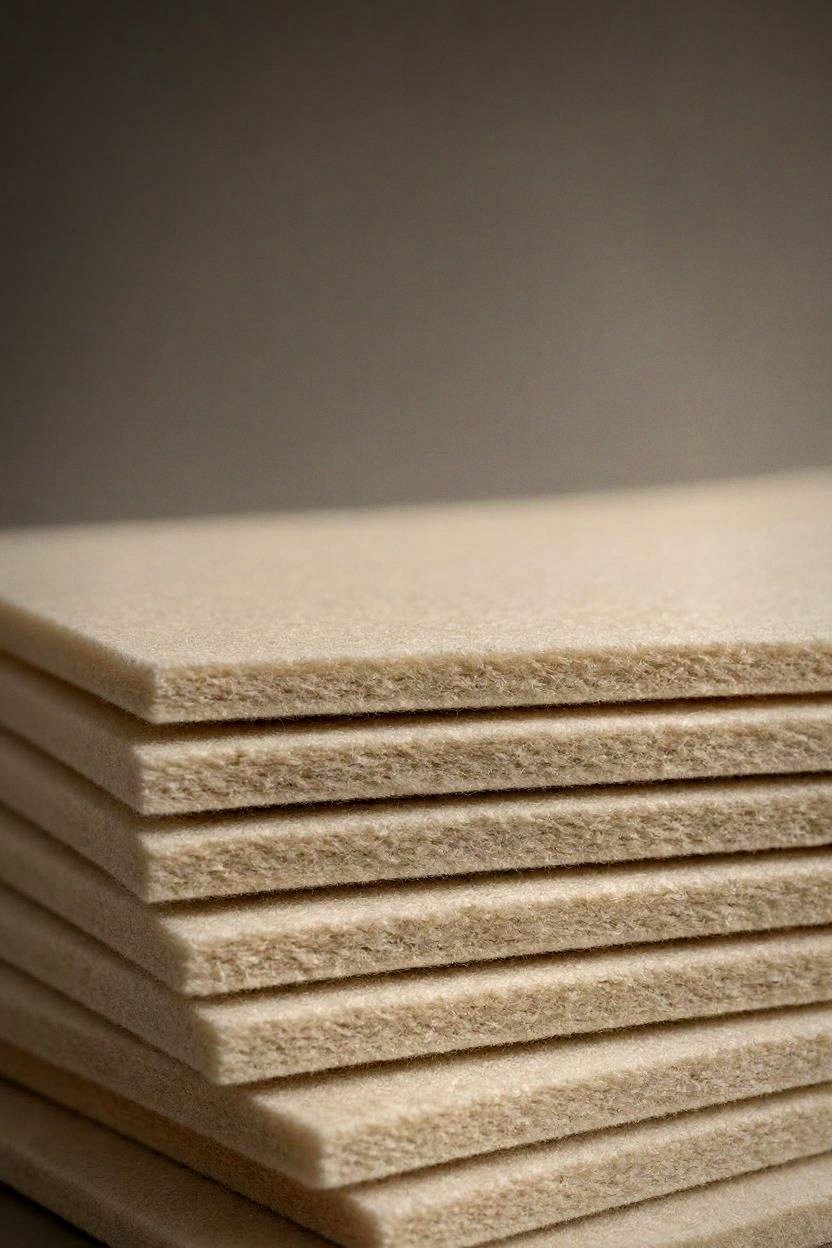
Wool felt
The one mills buy most. Felt washers sit at the ends of bearings and keep cotton fluff and dust out. Felt wicks soak up oil and release it slowly, so a slow-turning shaft stays oiled between services. Felt pads under bolts soak up the shaking that works them loose.
02
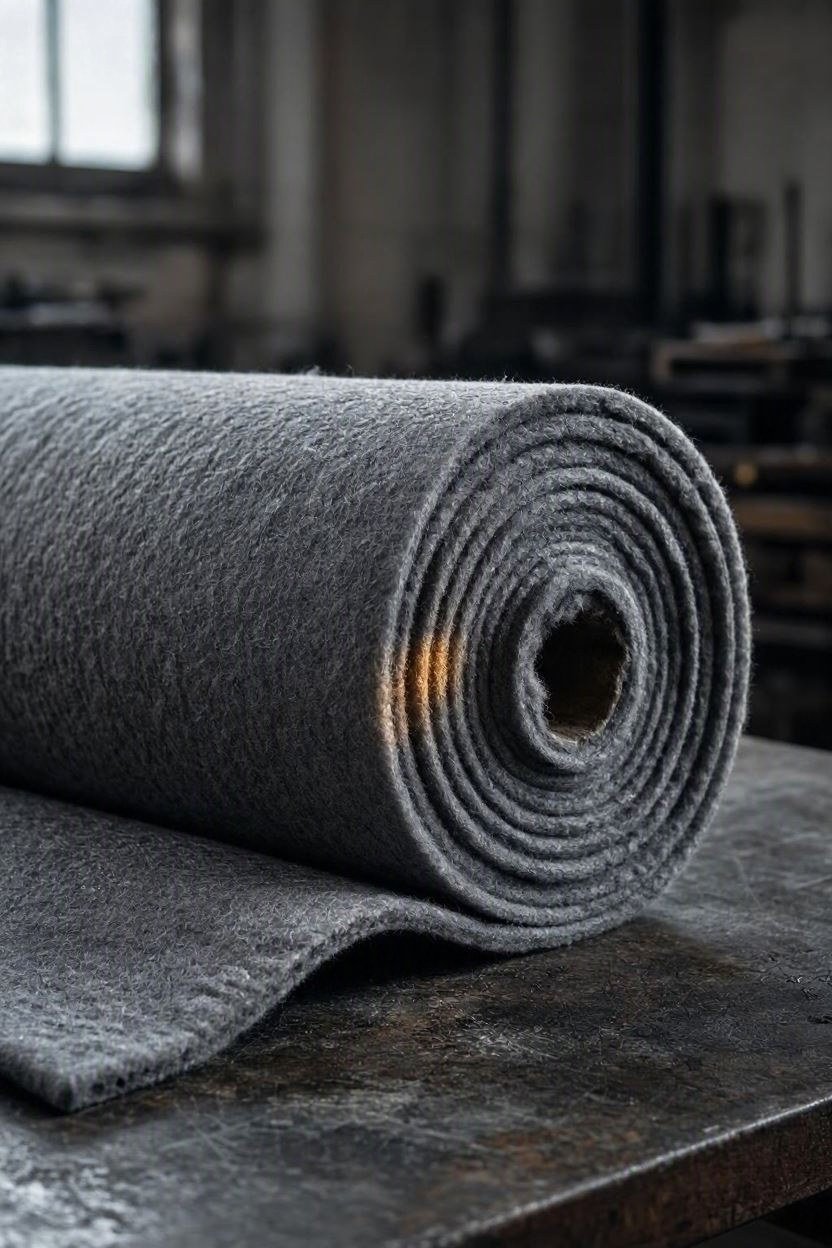
Non-woven felt
Used where wool is either wrong for the job or too expensive for it. It handles heat and oils better than wool does. And when a part is thrown away and replaced at every service, the price of each piece is what decides it.
03
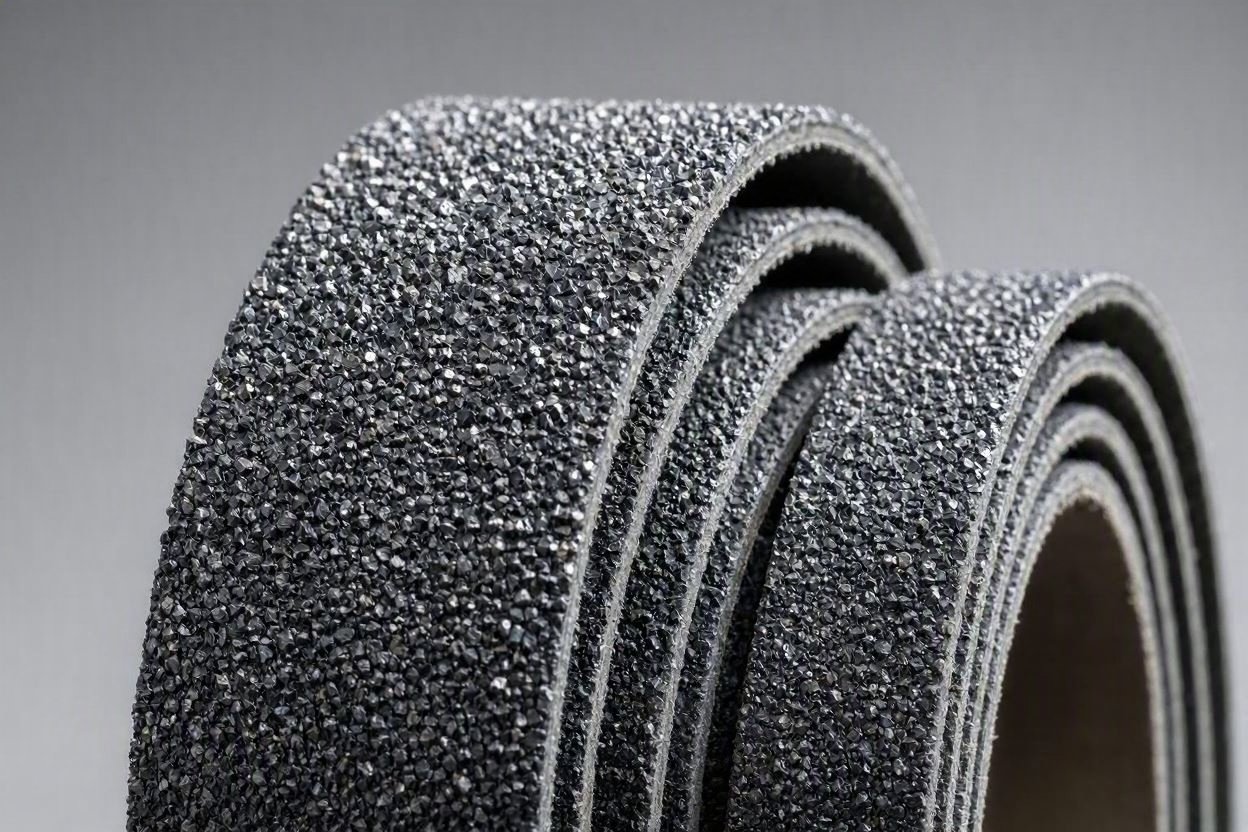
Rubber emery
The rough one: abrasive grit set into rubber. It takes metal off rather than polishing it. Used in the workshop for cleaning up a worn shaft, taking a sharp edge off a part, or preparing something before it goes back on the machine.
04
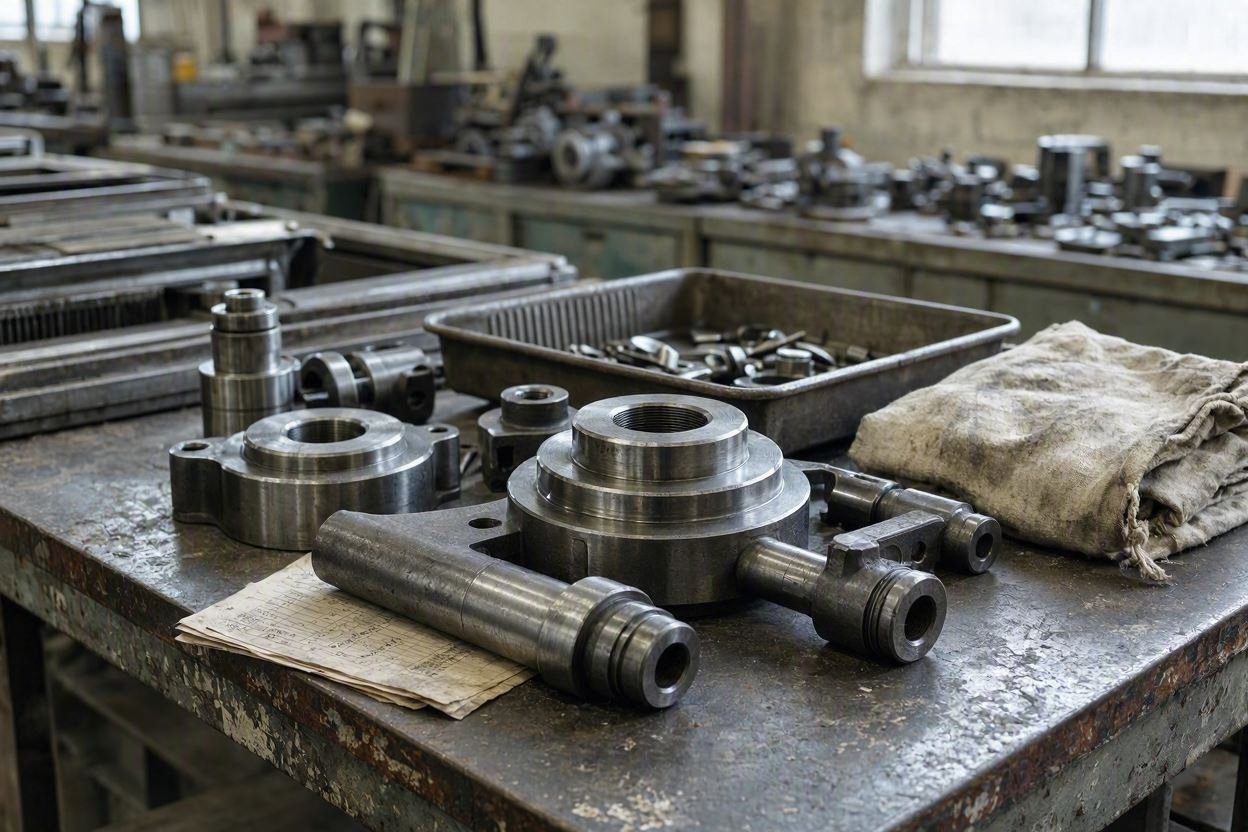
Sulzer loom spare parts
The line the firm began with in 1996, and still the one it is known for around Bhilwara. Spares for Sulzer weaving machines, ordered in as needed. Send a part number, a drawing, or simply the worn part itself.


Getting a quote
What to send us
Send us the worn part, or a photo of it with a ruler beside it so we can see the size. For felt, tell us the measurements and whether the one you are replacing is soft or hard.
Ask about textile mills